Test Planning
Risk-based plans that focus effort where it matters.
Release software your users can rely on. Phentech plans and runs manual and automated testing for web, mobile and API projects, so defects are found early and fixed before launch.
When testing is squeezed in at the end, or left to developers checking their own work, defects reach users. Each fix then disrupts the roadmap, and the team grows nervous about every release.
Structured QA builds testing into each stage of development. Clear test cases, automated regression suites and proper defect tracking give you confidence that each release works as intended.
Without dedicated testing, quality depends on luck and users become your testers.
Bugs reported by users after a release has gone live.
Old features breaking whenever new ones are added.
Slow manual regression that delays every release.
Untested devices and browsers where layouts and features fail.
We combine careful manual testing with automation where it saves the most time.
Risk-based plans that focus effort where it matters.
Written scenarios tied to requirements and user stories.
Repeatable regression suites run on every build.
Reproducible bug reports with steps, logs and screenshots.
Test coverage and defect trends shared each sprint.
The result is fewer production defects and releases your team can ship with confidence.
Testing services that can be run as a project or as part of your ongoing development.
Manual and automated checks that features work and existing ones still do.
UI and API test suites built with Playwright, Selenium or Cypress and run in CI.
Contract, validation and error-handling tests for your endpoints.
Response times and stability measured under expected and peak traffic.
Checks across real devices, operating systems and browsers.
We test the software your users touch and the services behind it.
Portals, dashboards and SaaS products.
iOS and Android apps on real devices.
Endpoints, data flows and third-party connections.
Ad-hoc checks catch obvious issues. Structured QA catches the ones that matter.
When users keep finding bugs, releases are delayed by manual checking or your product is growing in complexity, dedicated QA pays back in fewer incidents and faster releases.Book A Call
A testing process that runs alongside development rather than after it.
Review requirements and identify key risks.
Write test cases and decide what to automate.
Run manual and automated tests each sprint.
Report results and confirm release readiness.
We use well-supported tools that integrate with your development pipeline.
Our testers work closely with developers, so issues are understood and fixed quickly.
Discuss Your ProjectEverything runs in your own Azure or AWS account. No vendor lock-in.
Access, secrets and configuration reviewed, with security testing available.
Documentation you can hand to another team.
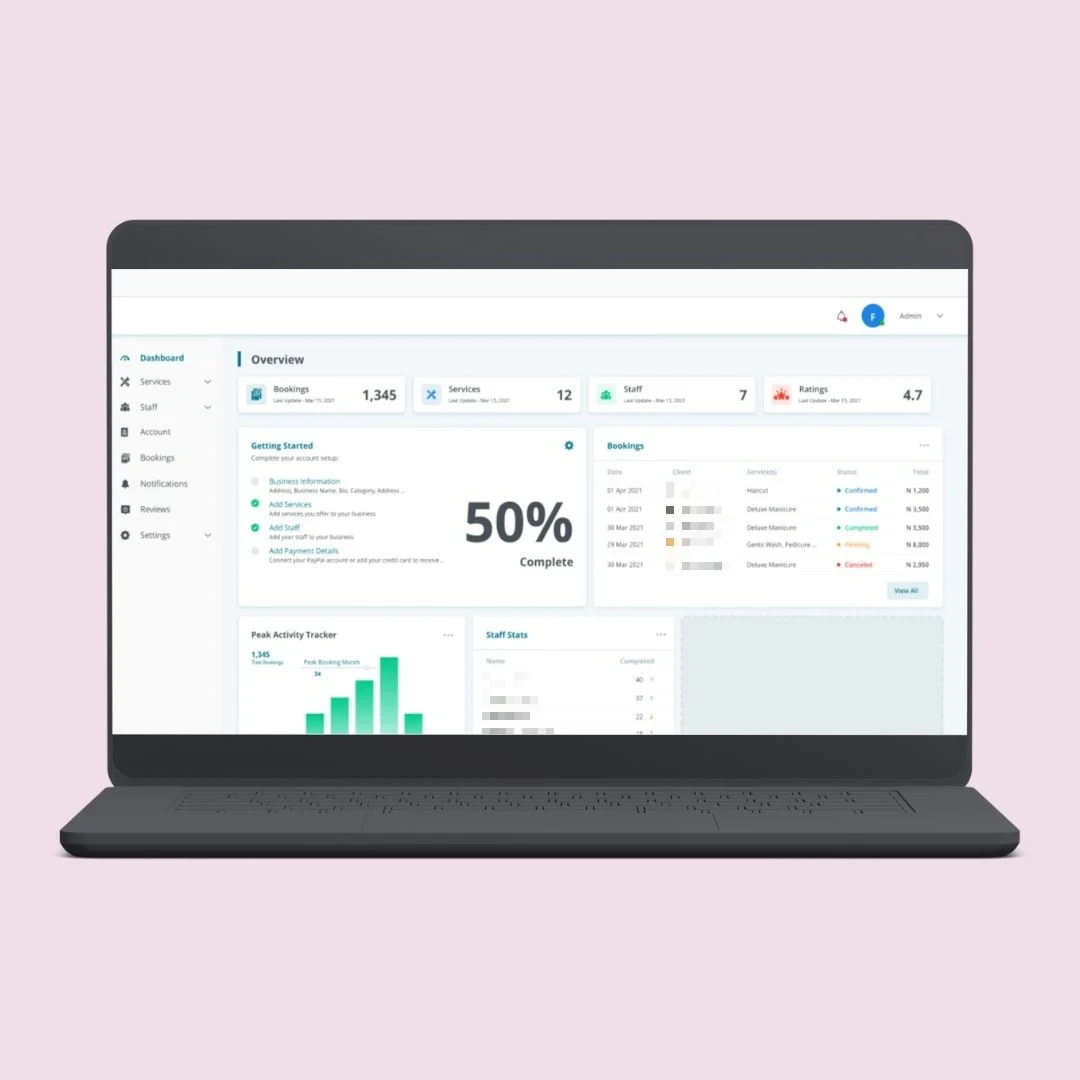
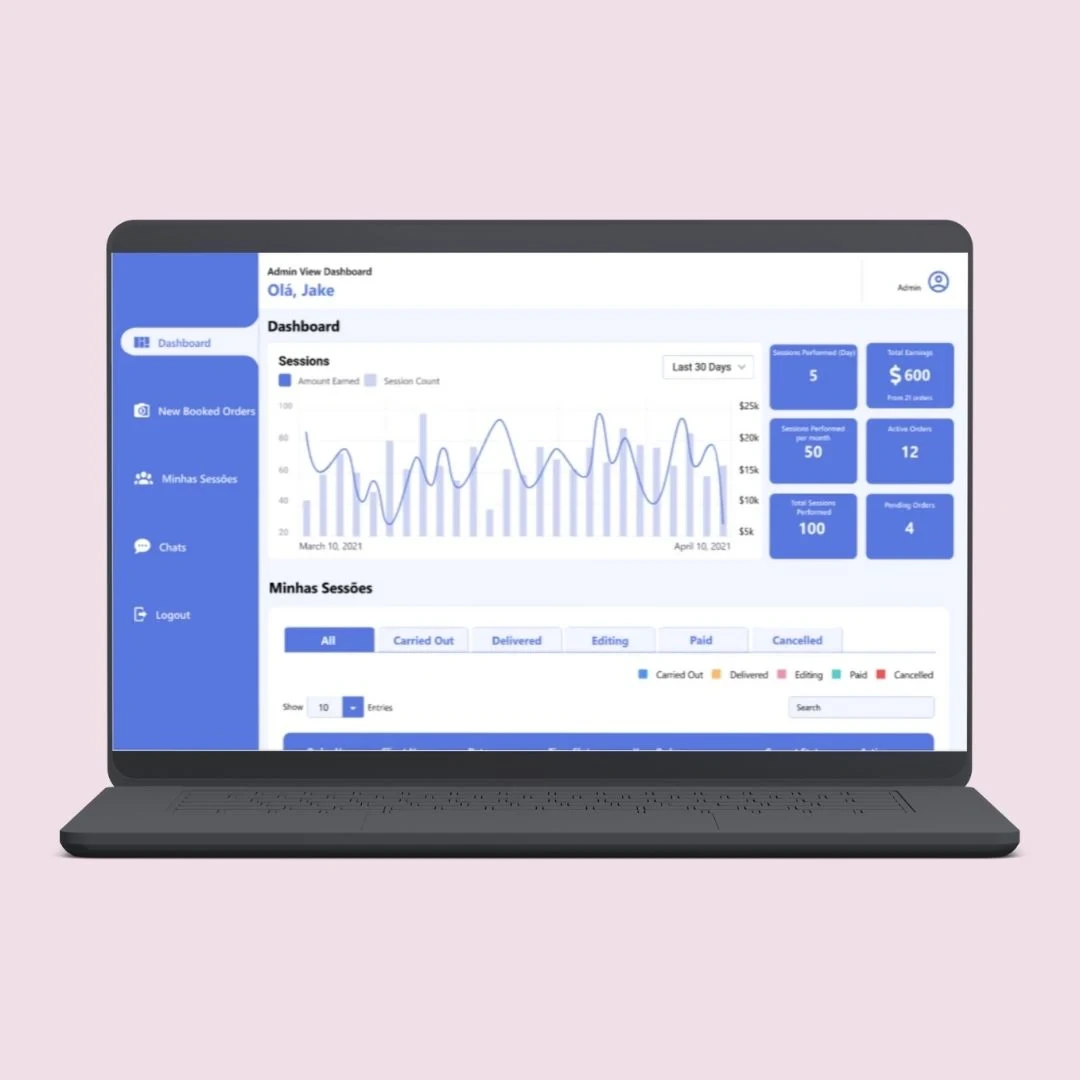
See some of the platforms where structured testing helped deliver reliable releases.
Quick answers about quality assurance and testing.
Let's talk about your software quality.
Book a Free ConsultationYes. We often test applications developed in-house or by other vendors, and report defects in your existing tracking tools.
No. Automation suits stable, repetitive checks like regression. Exploratory and usability testing are still best done by people.
Yes. We combine real devices with emulators and cloud device labs to cover the phones and browsers your users rely on.
Yes. Our testers can work inside your sprints, attend stand-ups and test stories as soon as they are ready.
Yes. We deploy to your own Azure or AWS account, so you keep full control and there is no vendor lock-in.
Our in-house engineers at Phentech. No subcontracting, and an NDA signed on request.
Defects are usually cheaper to fix the earlier they are found. Involving testers when requirements are written, an approach known as shift-left testing, helps catch unclear or missing requirements before any code is built.
Let's build a testing approach that gives you confidence in every release. Tell us what you run today and where. We scope the work before we quote.